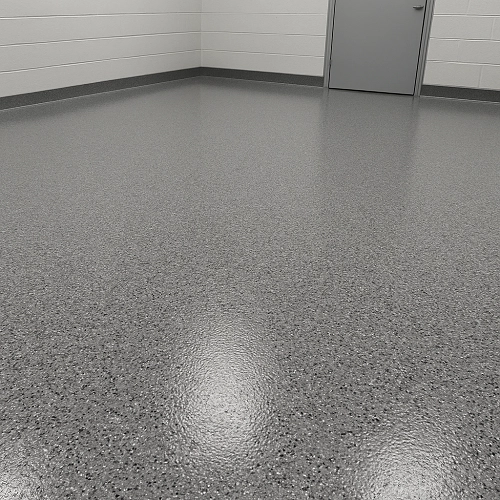
Commercial industrial flooring is an essential component of modern industrial and commercial environments, providing not only structural support but also safety, durability, and aesthetic appeal. Designed to withstand heavy traffic, chemical exposure, and rigorous daily operations, industrial flooring serves a multitude of functions in various sectors. Its primary function is to offer a robust, long-lasting surface that can handle the weight of machinery, forklifts, and high foot traffic while maintaining a safe and clean working environment. Beyond structural support, these flooring solutions often incorporate anti-slip, chemical-resistant, and easy-to-clean surfaces, ensuring compliance with safety regulations and facilitating efficient workflow management.
The features of commercial industrial flooring are engineered to meet the diverse demands of industrial environments. Many products boast high abrasion resistance, impact resilience, and thermal stability, making them suitable for environments with extreme conditions. Some flooring systems are seamless, preventing the accumulation of dirt, dust, or bacteria, which is crucial for industries like food processing or pharmaceuticals. Additionally, certain flooring materials offer chemical resistance against acids, alkalis, oils, and solvents, ensuring longevity even under harsh working conditions. Acoustic dampening and anti-static properties are also available for specialized applications, such as electronics manufacturing or laboratories, providing both safety and comfort for workers.
Commercial industrial flooring comes in a variety of specifications tailored to different operational needs. Popular materials include epoxy, polyurethane, vinyl, and cement-based coatings, each with unique thicknesses, textures, and performance ratings. For instance, epoxy flooring typically ranges from 2mm to 5mm in thickness, offering superior chemical resistance and durability, while polyurethane floors provide better elasticity and impact absorption. Surface finishes can vary from smooth, glossy finishes for easy cleaning to textured or anti-slip coatings for enhanced safety. Customization options, including color coding, signage integration, and safety markings, allow businesses to align flooring with operational and branding needs.
Proper installation and maintenance are crucial to maximizing the performance of commercial industrial flooring. The surface must be thoroughly prepared, clean, and level before application. For epoxy and polyurethane systems, primers are applied first, followed by one or more layers of the chosen flooring material, and finally, a topcoat to seal and protect the surface. Maintenance typically involves regular cleaning with neutral detergents, periodic inspections for cracks or wear, and prompt repairs when necessary. Following these guidelines ensures longevity, maintains safety standards, and protects the flooring investment.
Commercial industrial flooring is applicable across a wide range of industries. Manufacturing plants, warehouses, logistics centers, automotive facilities, food and beverage processing plants, laboratories, and pharmaceutical environments all benefit from high-performance flooring solutions. The versatility of these systems allows them to be adapted to specific operational requirements, whether that means supporting heavy machinery, providing hygienic surfaces, or reducing the risk of workplace accidents. Industrial flooring is also ideal for retail and commercial spaces where durability and aesthetic appeal must coexist, such as shopping centers, showrooms, and airports.
The target customers for commercial industrial flooring are diverse, encompassing facility managers, procurement officers, industrial engineers, and business owners seeking durable, safe, and cost-effective flooring solutions. Decision-makers prioritize factors such as longevity, ease of maintenance, compliance with safety regulations, and adaptability to unique operational environments. By understanding the specific needs of each sector, suppliers can offer tailored solutions that not only meet technical requirements but also enhance operational efficiency and worker safety.
Commercial industrial flooring is more than just a surface; it is a strategic investment that enhances safety, productivity, and operational efficiency across industries. By carefully selecting the appropriate material, understanding the installation process, and committing to proper maintenance, businesses can achieve a flooring solution that withstands the rigors of modern industrial operations while maintaining a professional and compliant work environment.