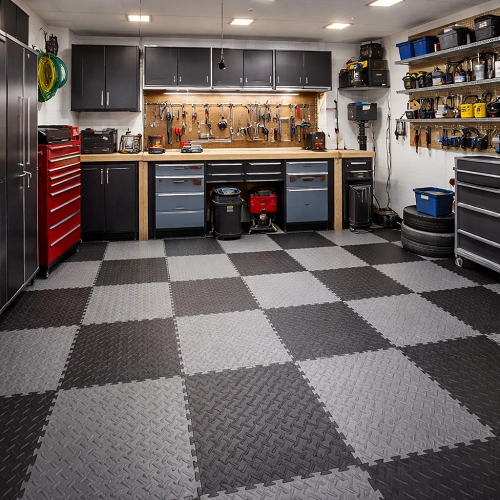
A garage workshop is more than just a place to store tools—it’s a space where projects come to life. Whether you’re working with heavy machinery, automotive parts, woodworking equipment, or DIY materials, the flooring in your garage workshop plays a critical role in durability, safety, and comfort. Choosing the best flooring for a garage workshop helps protect your concrete, reduce fatigue, resist chemicals, and maintain a professional-looking workspace.
Why Garage Workshop Flooring Matters
Standard concrete garage floors are durable, but they have several drawbacks. Concrete can crack, absorb oil stains, and become slippery when wet. Over time, heavy equipment and dropped tools can also damage the surface.
Installing specialized flooring for your garage workshop provides several benefits:
-
Durability: Protects the concrete from damage and wear.
-
Safety: Improves traction and reduces slips.
-
Comfort: Some flooring options reduce strain when standing for long periods.
-
Chemical Resistance: Protects against oil, grease, and automotive fluids.
-
Easy Maintenance: Simplifies cleaning and spill management.
Because workshops often involve heavy loads and frequent activity, selecting the right flooring material is essential.
1. Epoxy Coatings
Epoxy is one of the most popular choices for garage workshops.
Benefits
-
Extremely durable and long-lasting
-
Resistant to oil, chemicals, and stains
-
Creates a seamless, professional finish
-
Easy to clean and maintain
Epoxy coatings form a hard protective layer over concrete, preventing moisture penetration and reducing dust. Many homeowners choose epoxy for automotive garages because it handles heavy equipment well.
Considerations
-
Requires careful surface preparation
-
Installation can be time-consuming
-
May become slippery unless textured additives are used
2. Interlocking Garage Floor Tiles
Interlocking tiles are another highly practical flooring option for workshops.
Benefits
-
Easy DIY installation
-
Durable and impact resistant
-
Replace individual tiles if damaged
-
Good ventilation beneath the surface
These tiles are typically made from heavy-duty PVC or polypropylene. They snap together like puzzle pieces, making them ideal for homeowners who want a quick upgrade without complicated installation.
Considerations
-
Higher upfront cost compared to some coatings
-
Dirt can accumulate underneath if not properly sealed
3. Rubber Flooring
Rubber flooring is commonly used in gyms but works surprisingly well in workshops.
Benefits
-
Excellent shock absorption
-
Comfortable for long periods of standing
-
Slip-resistant surface
-
Helps reduce noise from dropped tools
Rubber mats or rolls can be installed over concrete and provide cushioning that’s especially helpful for woodworking or assembly work.
Considerations
-
Can be damaged by certain chemicals
-
May shift if not properly secured
4. Polyurea and Polyaspartic Coatings
Polyurea and polyaspartic floor coatings are modern alternatives to epoxy.
Benefits
-
Faster curing times
-
High resistance to UV exposure
-
Strong impact resistance
-
Excellent adhesion to concrete
These coatings are commonly used in professional garage flooring installations because they provide durability while allowing quicker installation.
Considerations
-
Usually more expensive
-
Often requires professional installation
5. Sealed or Polished Concrete
For workshop owners who prefer a minimalist approach, sealed or polished concrete can also be a practical choice.
Benefits
-
Low maintenance
-
Durable and long-lasting
-
More affordable than many coatings
-
Keeps the industrial workshop look
Concrete sealers protect the surface from moisture and stains while maintaining the original structure of the floor.
Considerations
-
Limited cushioning for long standing periods
-
Less resistant to heavy impacts compared to coated systems
How to Choose the Best Garage Workshop Flooring
When selecting flooring for your workshop, consider these important factors:
1. Type of Work
Heavy mechanical work may require tougher coatings like epoxy or polyurea, while lighter projects may work well with rubber or tiles.
2. Chemical Exposure
If your workshop involves oil, solvents, or automotive fluids, choose flooring with strong chemical resistance.
3. Comfort
If you spend hours standing while working, consider rubber flooring or anti-fatigue mats.
4. Installation Method
Some flooring options are DIY-friendly, while others require professional installation.
5. Budget
Garage workshop flooring ranges from affordable sealers to premium coating systems. Choose an option that balances cost and durability.
Maintenance Tips for Garage Workshop Floors
Regardless of the flooring you choose, proper maintenance helps extend its lifespan.
-
Clean spills quickly to prevent staining
-
Sweep regularly to remove debris
-
Avoid dragging heavy equipment across the floor
-
Reapply protective coatings when necessary
Consistent care keeps your garage workshop safe, clean, and functional.
Final Thoughts
The best flooring for a garage workshop depends on your work style, equipment, and budget. Epoxy coatings provide a tough professional finish, interlocking tiles offer easy installation, rubber flooring adds comfort, and advanced coatings like polyurea deliver exceptional durability.
Investing in quality flooring not only protects your garage but also improves safety and productivity in your workspace. With the right floor beneath your feet, your workshop becomes a more efficient and enjoyable place to build, repair, and create.